How To Homeschool Preschool | Practical Tips
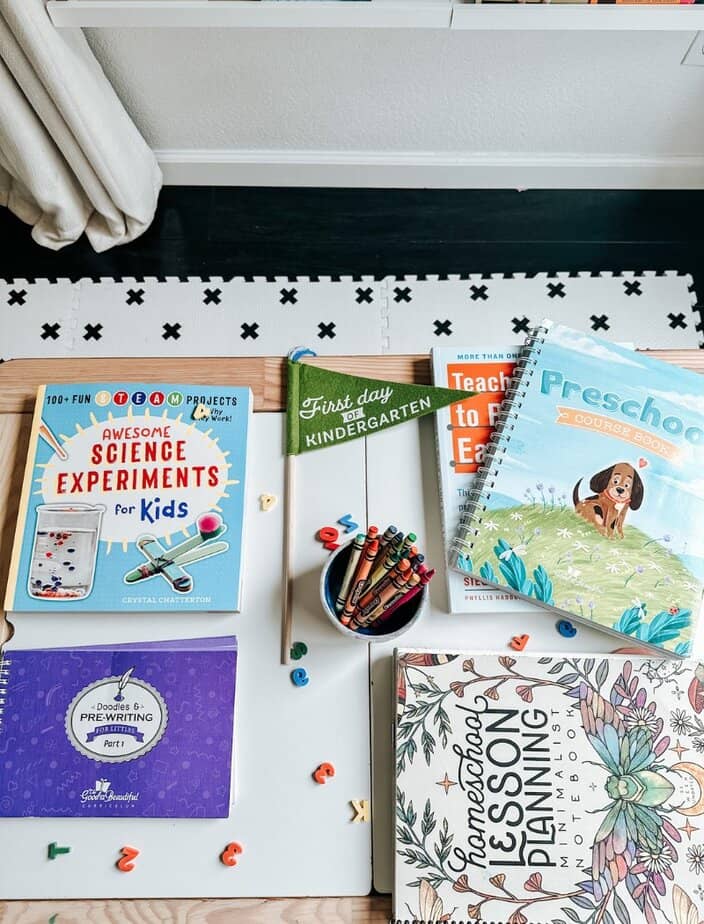
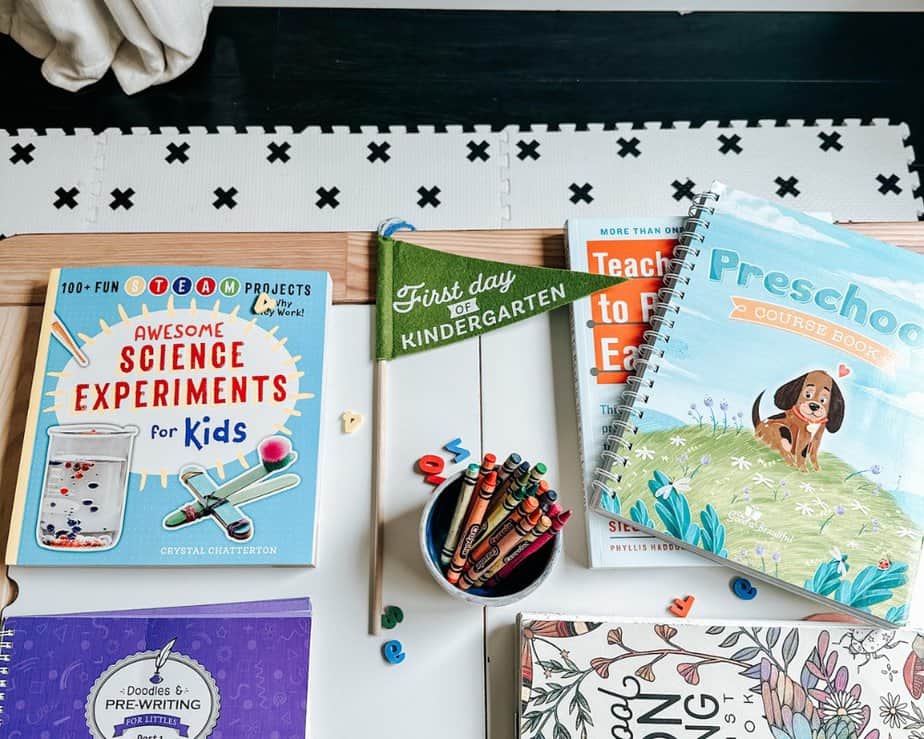
Homeschooling is becoming a popular option for many families, with parents often considering it earlier—during the preschool years. If you’ve ever wondered whether you can homeschool your little one for preschool, or exactly how to homeschool preschool, you’re definitely not alone. As a former preschool teacher, I know firsthand that these early years are fundamental. They lay the groundwork for a child’s love of learning, and teaching at home can be both simple and incredibly rewarding for parents and kids alike.
Affiliate Disclaimer: This post may contain affiliate links, which means I receive a small commission if you purchase through my links at no additional cost!
Other Homeschool Post:
- Simple Homeschool Organization For Small Spaces
- 6 Inspiring Tips To Homeschool Toddlers At Home
- 20 Best Homeschool Activities For Preschool
Why Some Families Homeschool Preschool
Choosing to homeschool is a journey a lot of families are exploring, This is a hard question that looks Choosing to homeschool is a journey many families are beginning to explore. It’s a big decision—and one that looks different for every household. If you’re considering homeschooling your preschooler, here are a few common reasons why families decide to take this path:
- Individualized Learning – Homeschooling allows you to tailor lessons and curriculum choices to your child’s unique learning style and needs. As a former preschool teacher, I know firsthand how differently each child learns. Being able to create an individualized learning experience for my own children was one of the main reasons I chose to homeschool.
- Connection – Learning together at home strengthens family bonds in a special way. Preschoolers, especially, thrive on connection and closeness. Homeschooling allows learning to happen in an environment filled with love, encouragement, and one-on-one attention.
- Flexibility – Flexibility is a huge benefit for many families. With more parents working remotely, homeschooling can fit beautifully into a lifestyle that values freedom and travel. You can set your own schedule and adjust learning times to fit your family’s rhythm and needs.
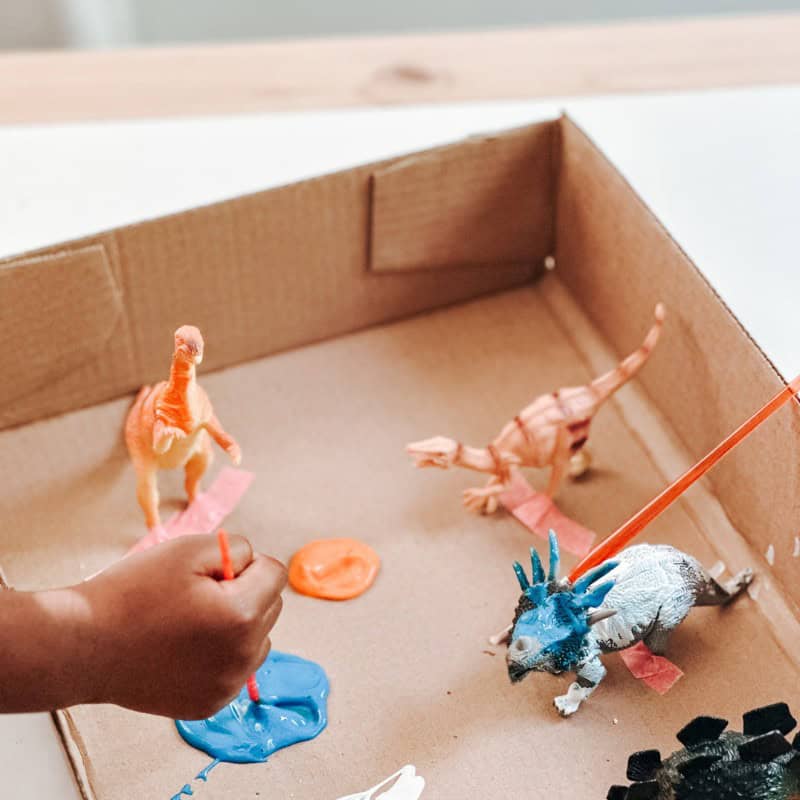
- Hands-On Learning – Preschoolers learn best through play, exploration, and hands-on experiences. Homeschooling gives you the freedom to make learning active and engaging—whether that’s through sensory bins, outdoor adventures, or creative art projects.
Ultimately, the preschool years are about more than academics. They’re about nurturing curiosity, encouraging creativity, and building a love for learning through play and exploration.
Step 1: Decide On Your Preschool Goals
Determing your preschool goals is a great starting point when considering homeschooling for preschool. Determining your preschool goals is a great starting point when considering homeschooling for your little one. Think about what you’d like your child to learn during this stage. These goals don’t need to be heavy on academics—in fact, they can include a mix of early academics, developmental milestones, and plenty of playful exploration.
Here are a few examples of preschool goals:
- Letter recognition
- Letter sounds
- Counting from 1–20
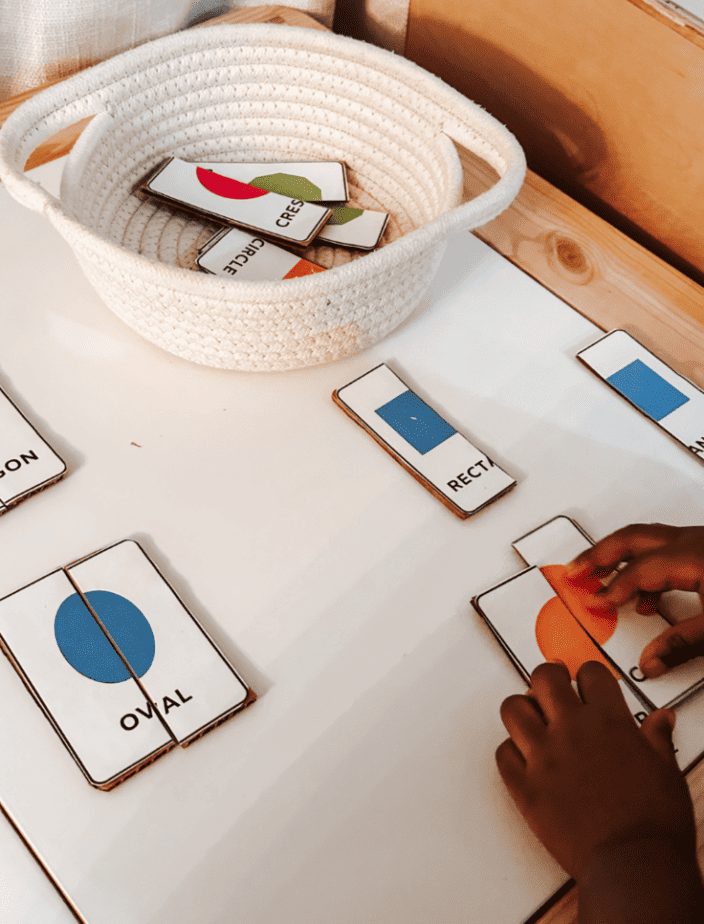
- Identifying shapes and colors
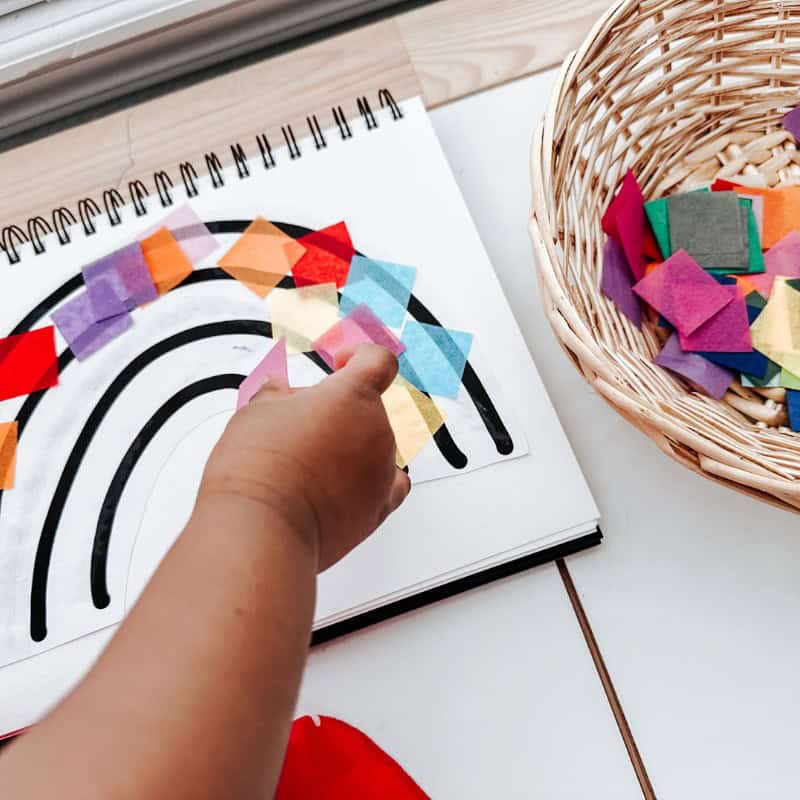
- Fine motor practice (cutting, tracing, building)
- Gross motor activities (sports, dancing, or outdoor play)
- Learning how to play alongside others
- Basic listening and comprehension skills
Write down your top goals, but remember to keep them age-appropriate. At this stage, the focus should be on exploration, not mastery—building curiosity, confidence, and a love for learning that will grow with your child.
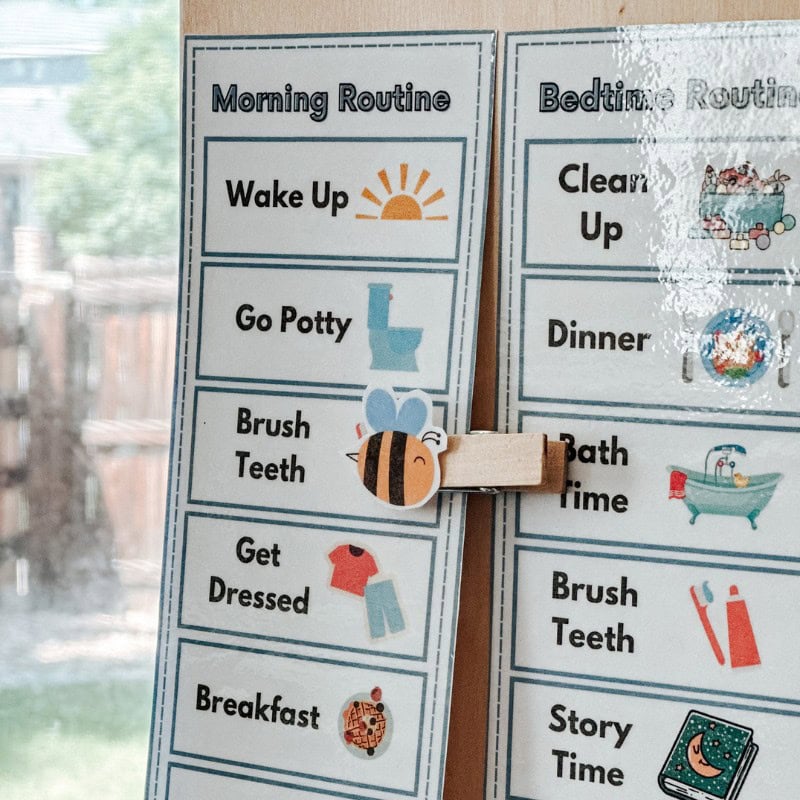
Step 2: Create A Daily Routine
A common question many parents have when thinking about homeschooling is: “What should our daily routine look like?”
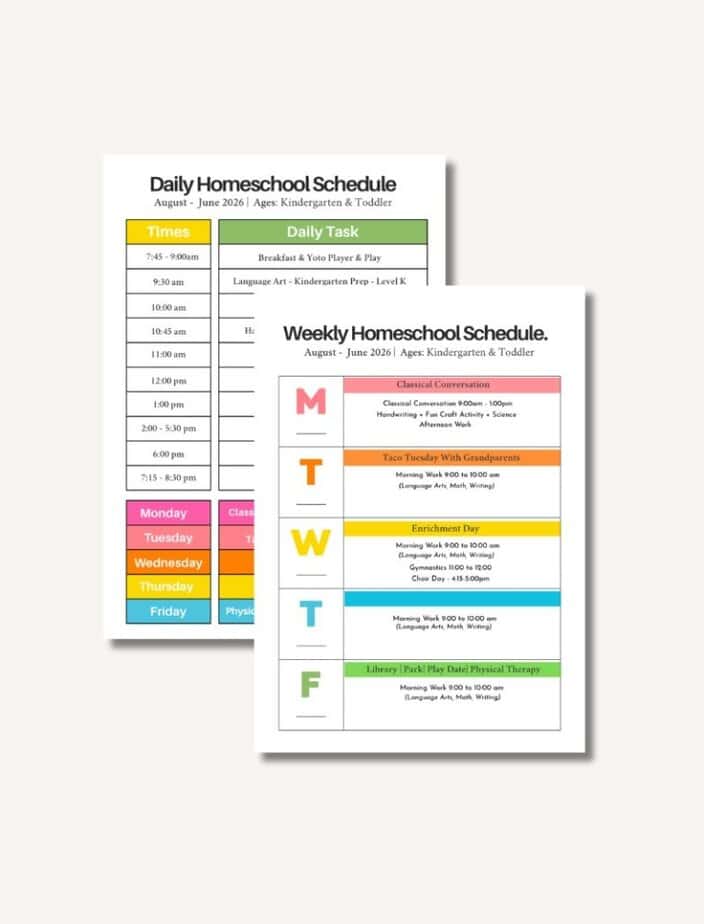
Preschoolers thrive with structure and predictability in their day. That doesn’t mean your schedule needs to be rigid—it should simply serve as a guide. You can always adjust and return to it later in the day, depending on your family’s rhythm and what you have going on.
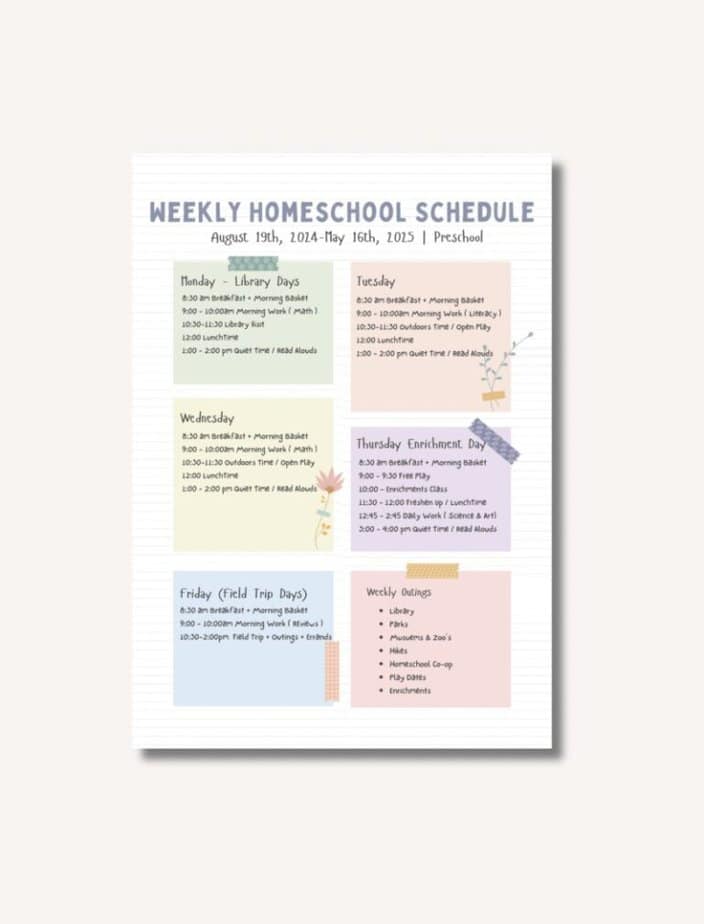
Here’s an example of a daily homeschool preschool routine:
- Breakfast & Free Play – Start the morning slow with unstructured play before transitioning into your day.
- Morning Circle Time – Talk about the weather, sing songs, review the calendar, or discuss any fun daily topics as a family.
- Learning Time – Dive into lessons or hands-on activities. You can focus on one subject each day or mix a few light lessons, depending on your child’s attention span and learning style.
- Lunch Time – Take a well-deserved break to eat, recharge, and chat together.
- Quiet Time or Read-Aloud – End the structured part of the day with calm reading or rest time—a great routine for young children.
Remember, this is just an example. Structured learning time for preschoolers should be short—about 30 to 45 minutes a day is plenty. Preschoolers have short attention spans, so aim to keep activities engaging, playful, and age-appropriate.
Step 3: Gather Preschool Resources or Curriculum
Once you’ve determined your preschool goals, you can decide whether you want to use a curriculum—and if so, which one. The truth is, you don’t necessarily need a boxed curriculum for preschool. Instead, start with a simple outline of what you want your child to learn. From there, you can find plenty of free resources online to support your plan.
If you’re on the creative side, you can also design your own fun, hands-on activities to make learning playful and personal for your child.
Free or Low-Cost Resources:
- Library Books: Great for themes, read-alouds, and introducing new topics.
- Printable Worksheets: Simple alphabet or number tracing pages (many are free online).
- Hands-On Materials: Playdough, magnetic letters, puzzles, and counting bears.
- Nature: Rocks, leaves, sticks—perfect for science exploration.
Optional Preschool Curriculums:
If you prefer a more structured approach, here is a list of a few preschool curriculums that’s are free, or affordable.
Step 4: Include Hands on Activities
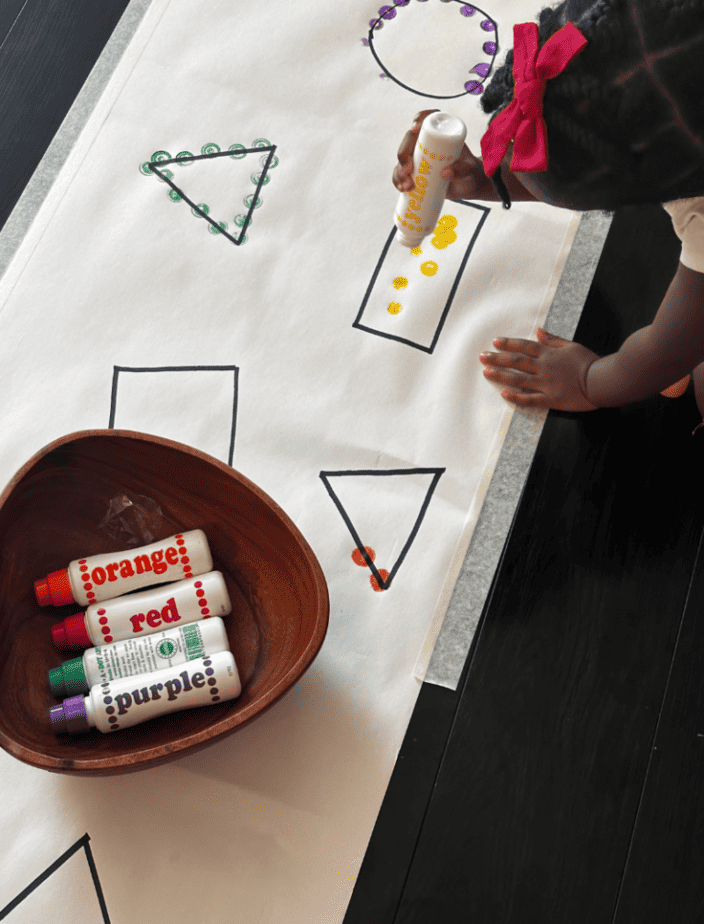
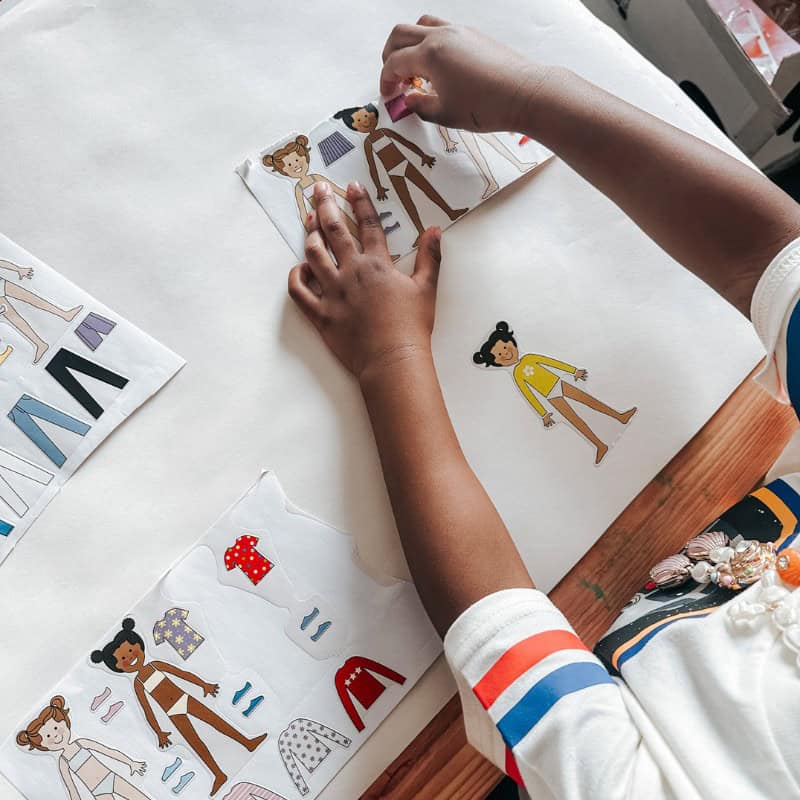
The number one rule for how to homeschool preschool is this: include hands on, fun learning activities. Preschoolers love to play, and a lot of learning can happen during play. So be intentional about the activities you introduce to them. make sure they align with the goals you outlined for them.
Here are some play-based learning ideas:
- Alphabet Hunt: Hide foam letters around the house and have your child find and match them.
- Counting with Snacks: Use grapes or crackers to practice counting and simple addition.
- Color Sorting: Sort Legos, pom-poms, or buttons by color.
- Sensory Bins: Fill a bin with rice, beans, or sand, and hide small toys or letters inside.
- Dramatic Play: Pretend to run a grocery store, post office, or doctor’s office.
Step 5: Socialization and Life Skills
A common misconception is that hear parents say sometimes, id they send kids to preschool to socialize. remRemRemember, socialization doesn’t only happen in the classroom. In fact, it’s important to give your child a well-rounded social experience.
That means helping them connect not just with peers, but also with adults, family members, and community helpers they meet at places like the grocery store or library.
Here are some great ways to provide rich social opportunities:
- Join a local homeschool co-op or playgroup
- Schedule playdates with friends and family
- Enroll in community classes like music, dance, or swimming
- Visit parks, libraries, and children’s museums
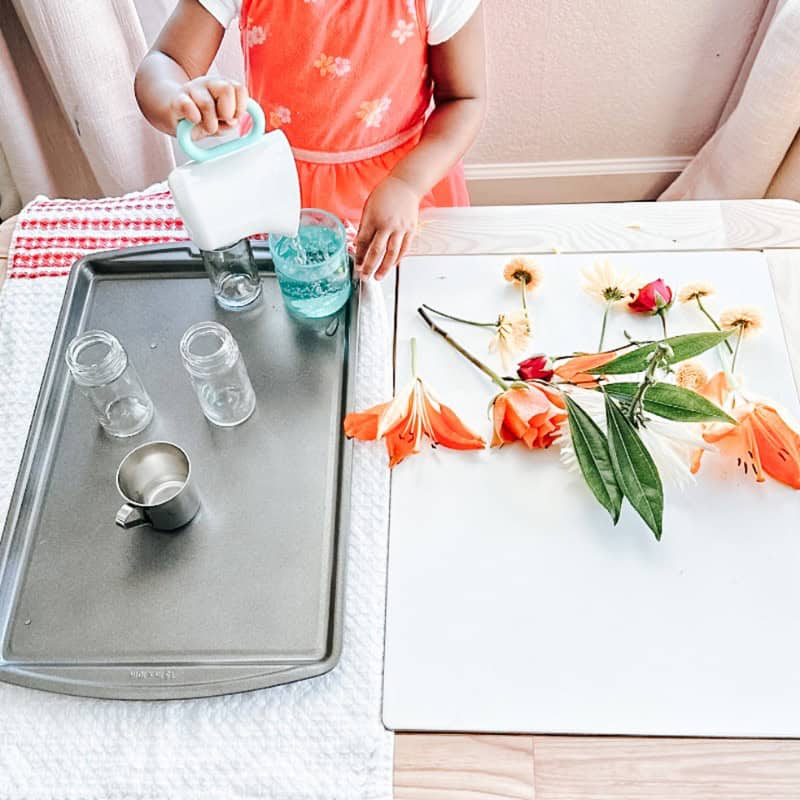
And don’t forget about life skills—these are just as valuable as social experiences. Encourage your child to help with everyday routines like cooking, cleaning, and simple household chores. These activities teach responsibility, teamwork, and independence in a fun, hands-on way.
Tips For Success From A Former Preschool Teacher
As a preschool teacher with over 10 years of experience, here are a few key takeaways I believe every parent should keep in mind when learning how to homeschool preschool:
- Keep lessons short and sweet. Kids at this age have short attention spans, so aim for quick, engaging activities.
- Follow their interests. Lean into what your child is naturally curious about—it keeps learning fun and meaningful.
- Celebrate the small wins. Mastering new letters, sounds, and shapes is a big deal!
- Be patient. Every child learns at their own pace, so avoid comparing your child’s progress to others.
- Most importantly, have fun! Homeschooling preschool is about building joyful learning moments and nurturing a love for discovery.