Simple Alphabet Sand Letters Activity
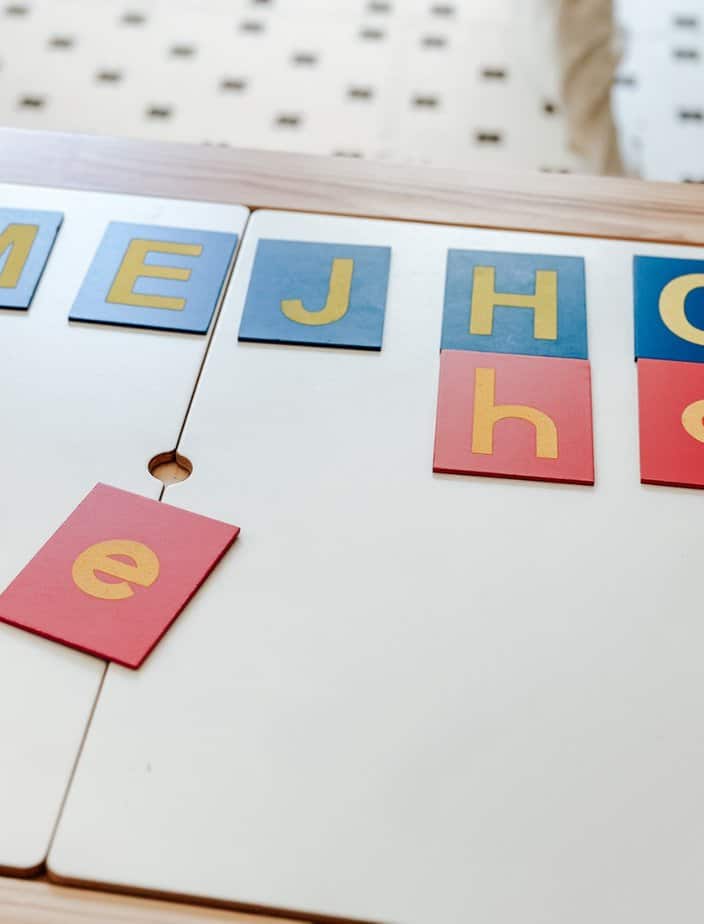
Learning the alphabet is such a fun and exciting time for kids! As a preschool teacher, I’ve taught the alphabet to many children and picked up a few tricks and tips along the way. One of my favorite go-to activities for teaching the alphabet is this simple Alphabet Sand Letters activity.
It’s easy to set up, yet incredibly engaging for kids—especially with the sensory element of the sandpaper letters.
Affiliate Disclaimer: This post may contain affiliate links, which means I receive a small commission if you purchase through my links at no additional cost!
Other Alphabet Post:
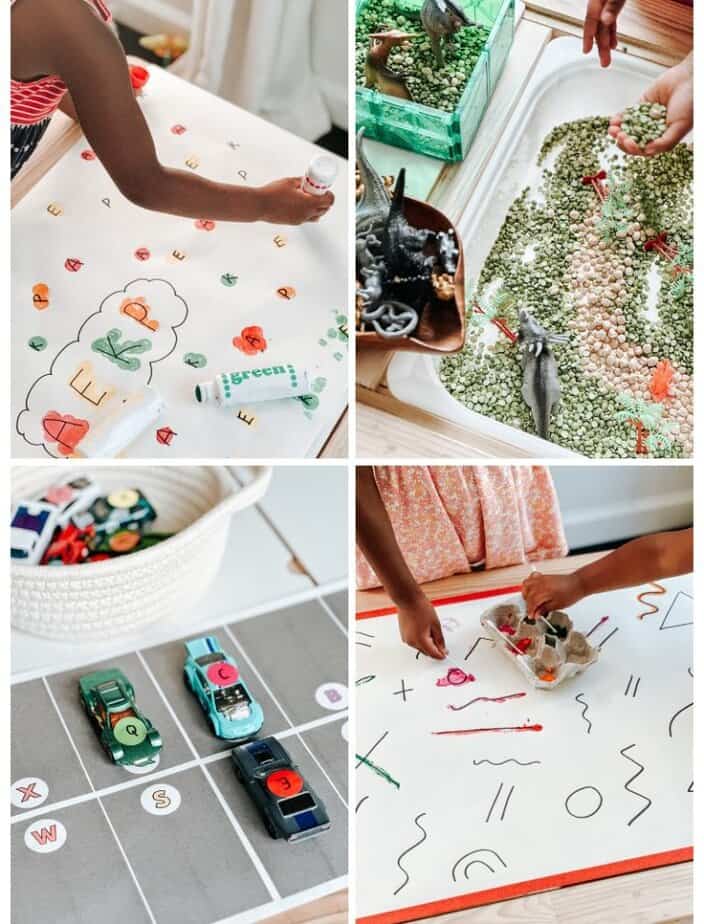
- Alphabet Sensory Bin For Toddlers
- Fun Matching Alphabet Activity For Toddlers
- Alphabet Q-Tip Activity For Preschool
Simple Alphabet Sand Letters Activity
My Favorite Way to Teach Letter Recognition and Sounds Using Sandpaper Letters
Learning the alphabet is such an important milestone in the early years. It’s an exciting time for little learners—full of curiosity and discovery. As a homeschool mama and former preschool teacher, I’ve taught the alphabet to countless children over the years, and one activity that never fails is this simple Alphabet Sand Letters Activity.
This activity combines tactile learning, sensory engagement, and fine motor practice in a playful way kids love. It can be adapted for matching uppercase to lowercase letters or even for practicing letter sounds. Best of all, it’s simple, affordable, and—most importantly—engaging!
Why Sensory Learning Works Well With The Alphabet
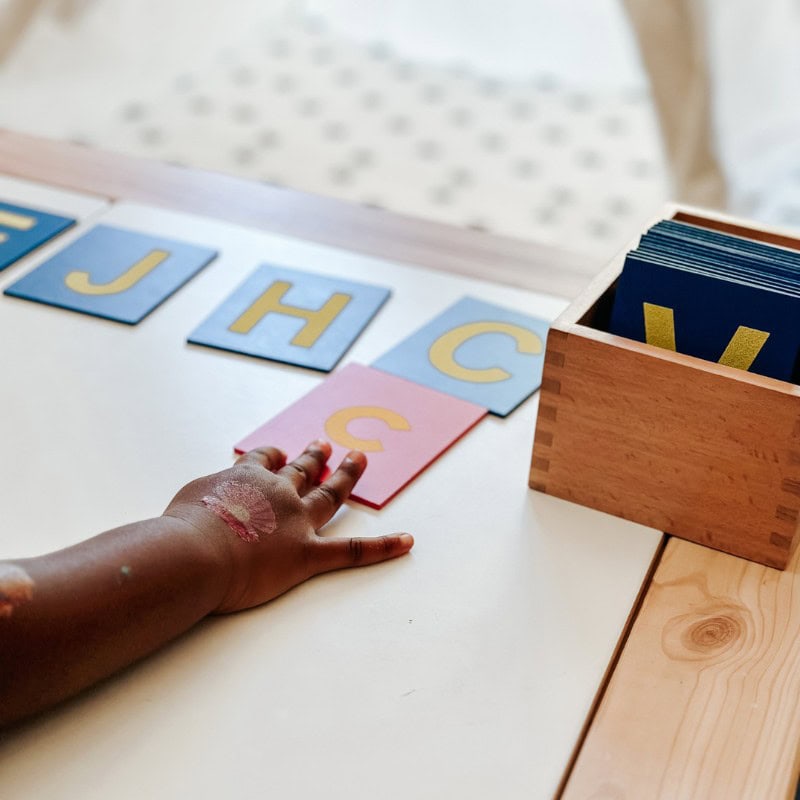
This activity looks similar to basic flashcards, but each letter has a rough, textured surface that provides a wonderful sensory component for kids. They can trace the letters with their fingers while saying the letter name—or even the sound it makes.
Once I discovered sandpaper letters, I never went back to basic flashcards for teaching the alphabet.
This activity is great for so many reasons:
- Strengthens fine motor coordination
- Improves hand-eye coordination
- Builds early literacy foundations
- Connects phonics (letter sounds) to print
- Helps children stay focused longer through active engagement
It’s also a wonderful way to support different learning styles. Some children learn best through auditory cues, while others rely more on movement or touch. The Alphabet Sand Letters Activity meets all of those needs in one fun, hands-on experience.
Everything You Need
The best part about this activity is that you can create it using materials you already have at home or in the classroom. Here’s what you’ll need:
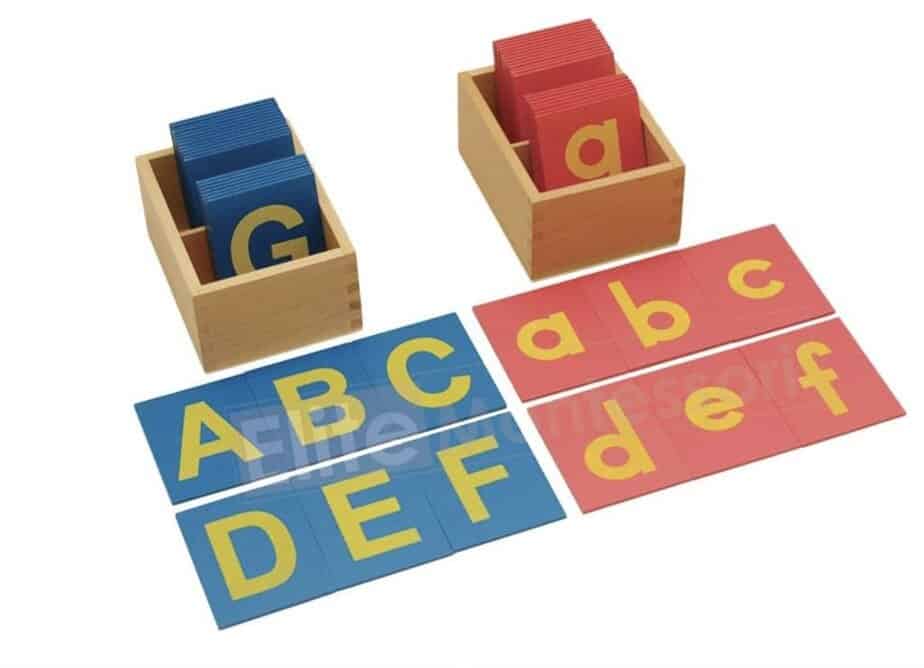
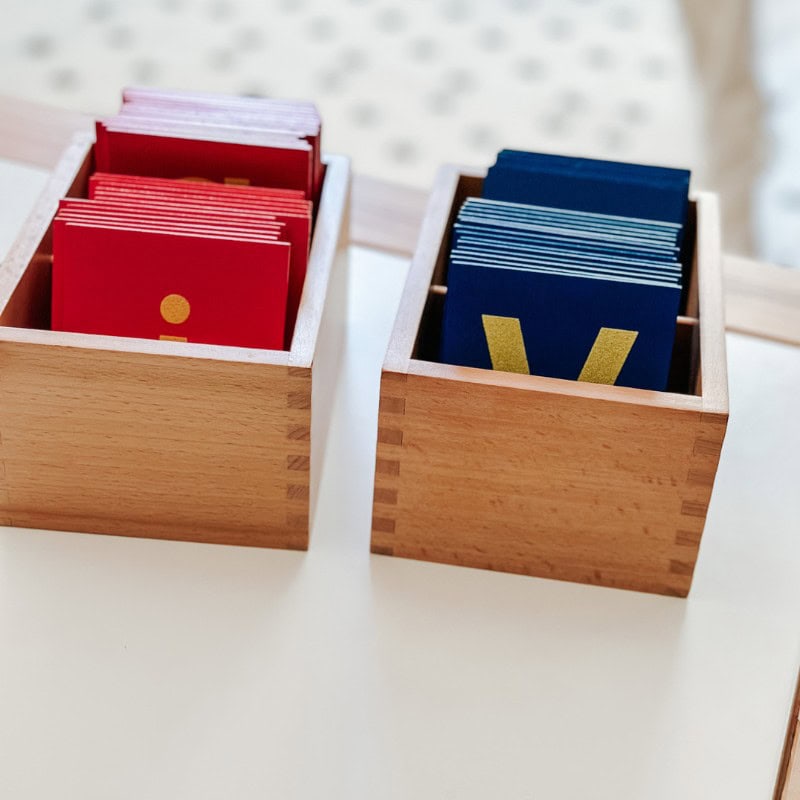
Elite Montessori Lower and Capital Case SandPaper Letters
This is the exact set that I’ve used and loved for a few years now. It’s super durable, amazing quality, and comes with cute little storage boxes for the cards—which I love!
Setting This Activity Up
This activity is simple, which means there’s little to no prep involved. Once you have the sandpaper letters, setting it up is quick and easy!
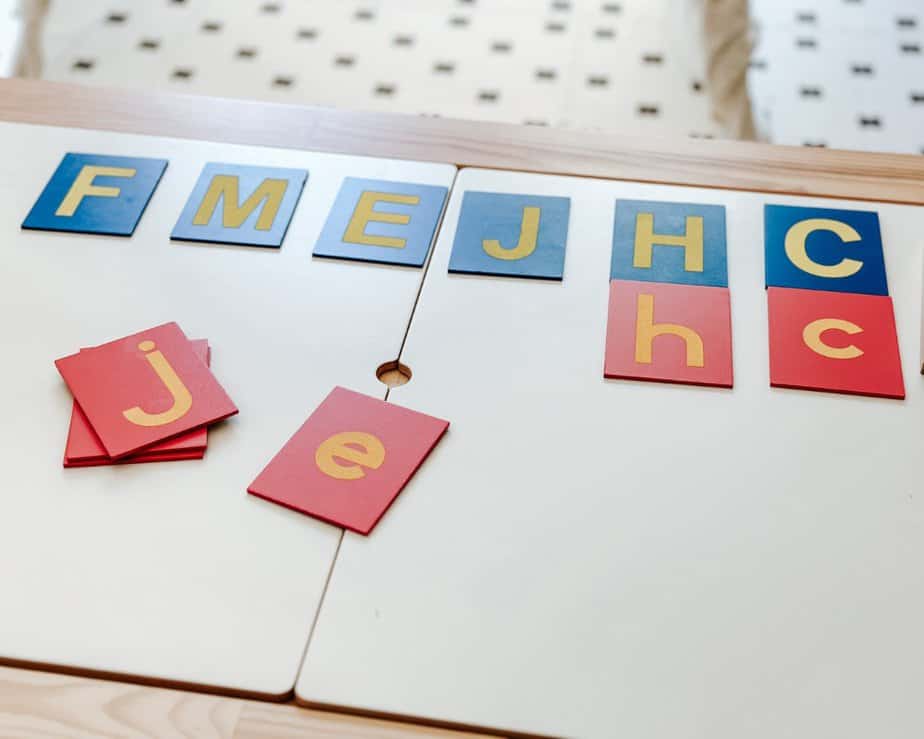
- Decide which cards you want to use — uppercase or lowercase.
- Lay them out on the floor or table. You can include all the letters or just a few at a time, depending on what your child is ready for.
- Give your child the matching cards from the opposite set.
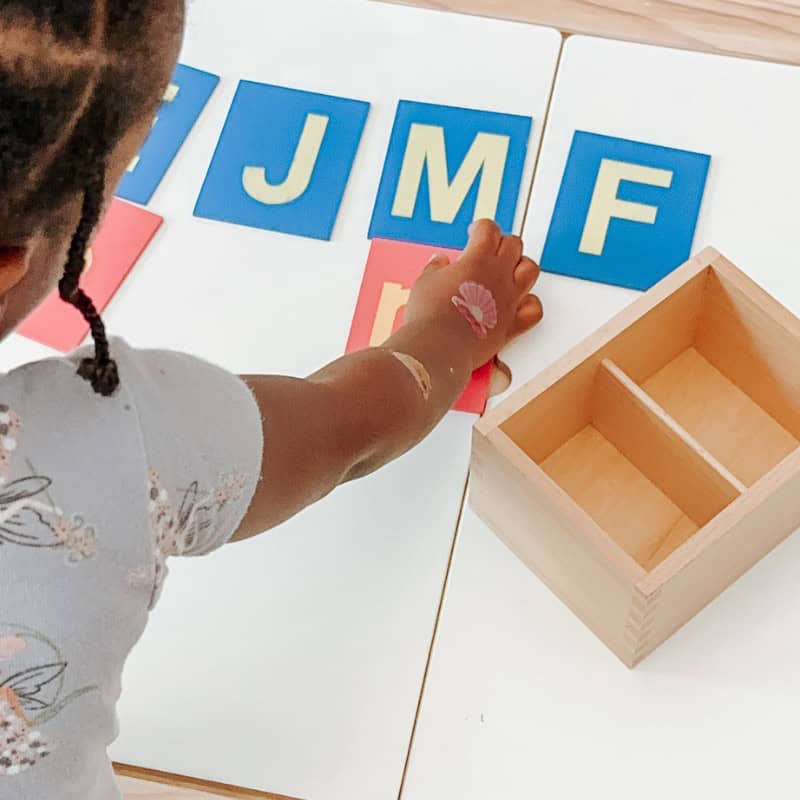
- Demonstrate what to do, then encourage them to try—matching the uppercase letters with the lowercase ones, or vice versa.
Variations Of This Activity
Once your little one has mastered this activity, they can try other variations of this activity.
- Uppercase vs. Lowercase Matching – Have your child match uppercase and lowercase letters. This helps reinforce letter recognition and strengthens visual memory.
- Name Tracing – Spell your child’s name using the sandpaper letters, then have them trace each letter with their fingers. This adds a personal touch and makes learning meaningful.
- Sound Hunt – Lay out a handful of letters, then go on a “sound hunt” around the house to find objects that start with those letter sounds. It’s a fun and active way to connect letters to real-world items!
Teaching Tips for Teaching The Alphabet
- Start with simple, fun activities that introduce letter recognition concepts.
- Begin with just a handful of letters at a time—you don’t want to overwhelm your little one with too much at once.
- As your child becomes more comfortable, begin to incorporate phonics. This step is so important—it builds the foundation for reading later on.
- Keep lessons short and sweet; never overdo it. The goal is to nurture a genuine love for learning.
- And most importantly, celebrate their efforts along the way!