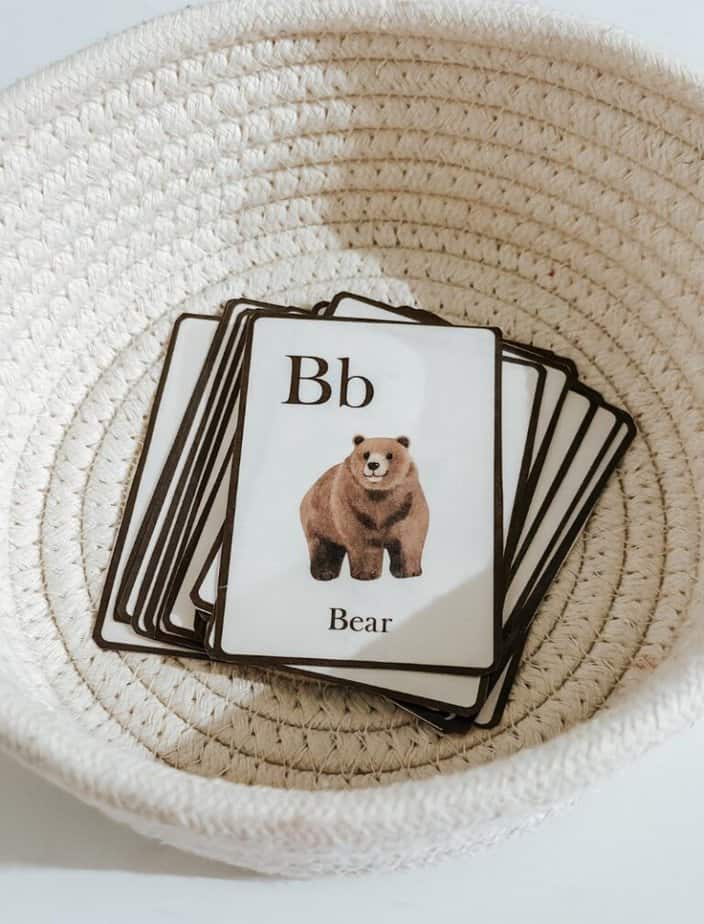
6 Inspiring Tips To Homeschool A Toddler With Ease
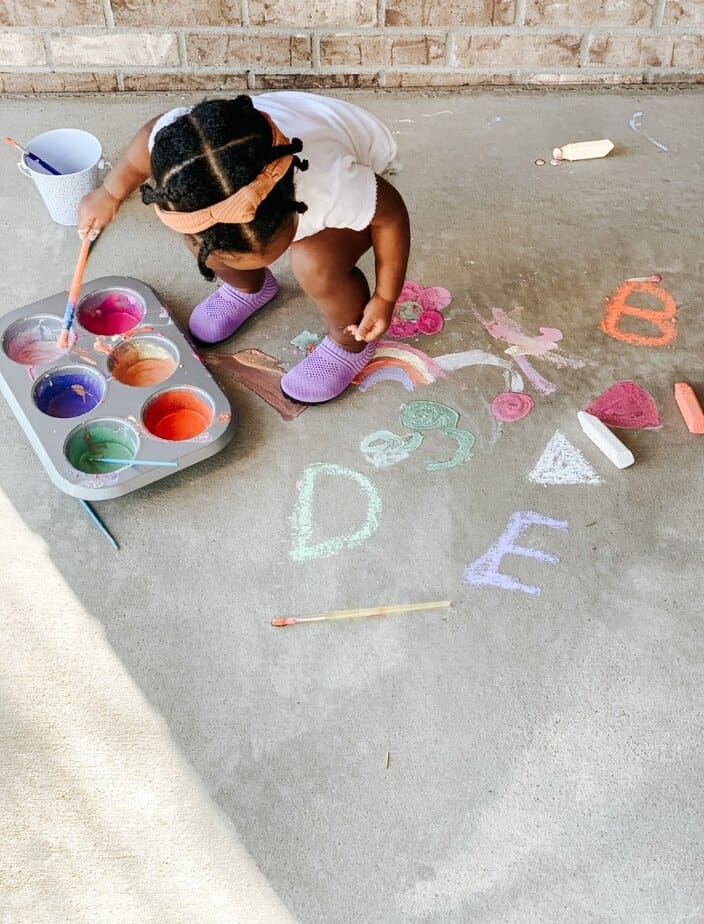
Are you looking to homeschool a toddler at home? As a former preschool teacher, and homeschool mama to a toddler (2), and kindergartener (5), I’m going to share some of my best tips to homeschool a toddler!
Affiliate Disclaimer: This post might contain affiliate links, which means I receive a small commission if you purchase through my links, at no additional cost to you!
As an educator, I often get asked what are my best tips for parents looking to teach their little ones at home, and honestly, it’s pretty simple! Most parents feel as if they are underqualified to teach their little ones at home, but that couldn’t be the furthest from the truth.
Other Homeschooling Blog Post
You Are More Qualified Then You May Think
As parents, we know our little ones better than anyone else. We can easily recognize their strengths, challenges, and unique learning styles. From the way they solve problems to the moments they light up with curiosity, we’re able to spot their growth opportunities right away. This deep understanding naturally positions us to guide their learning at home.
Teaching your toddler at home doesn’t require a professional degree in education—it requires patience, love, and the ability to adapt lessons to fit your child’s needs. Every bedtime story, every playful conversation, and every hands-on activity you share is already shaping how your child learns and processes the world. In fact, these everyday interactions give you a powerful advantage, because you can create learning experiences that feel natural, safe, and tailored to your child’s pace.
When you combine your personal insight with simple activities and lessons, you’ll find that you’re more than capable of creating a strong foundation for your child’s early education.
Easy Tips: How To Homeschool A Toddler
1. Incorporate Books Into Your Routine
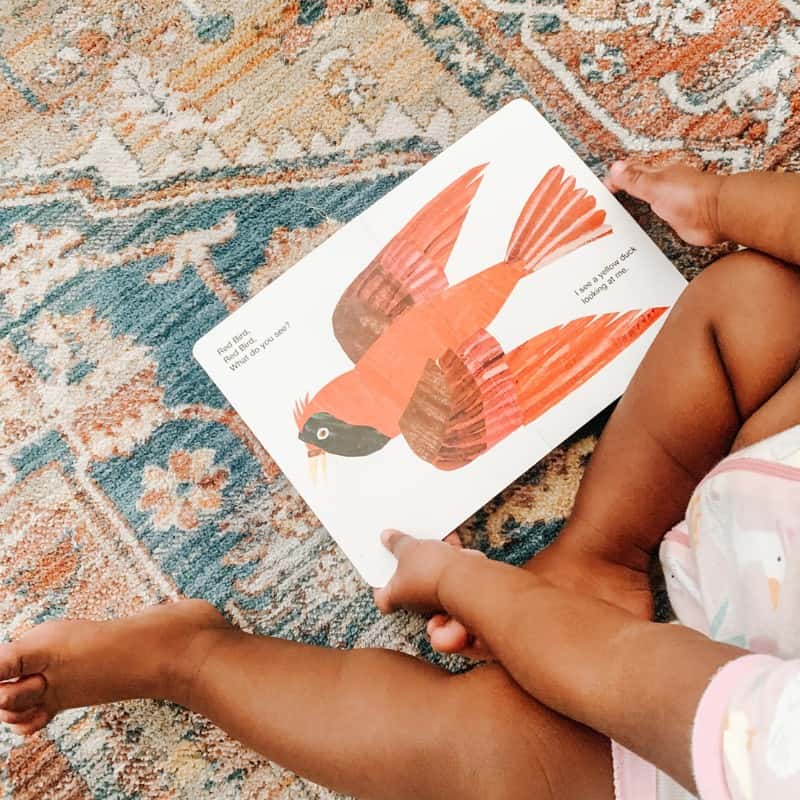
One of the easiest and most effective things you can start implementing right away is incorporating more books and story time into your daily routine. Reading doesn’t require fancy materials or an elaborate setup—it simply takes a few minutes of your time and a good book. Introducing books to children early on is incredibly beneficial because stories not only spark imagination but also play a major role in building vocabulary and language skills.
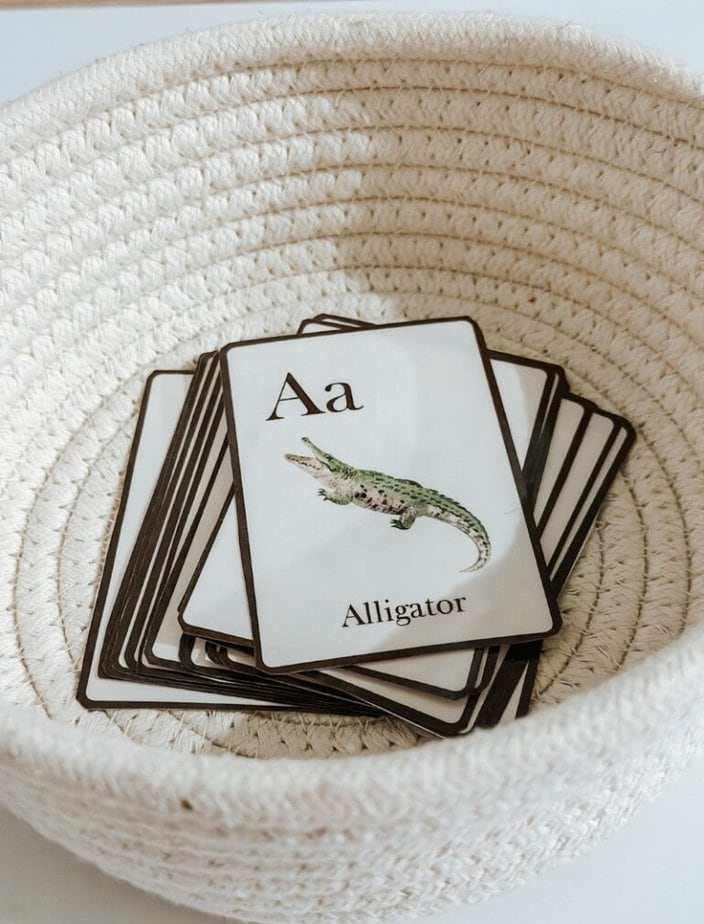
Books are my very first tip for teaching toddlers at home because they naturally blend fun with learning. A simple picture book can help your child recognize colors, shapes, animals, or everyday objects. Storytime also encourages listening skills and attention span, while repeated exposure to words and phrases strengthens memory and comprehension. This makes books an essential tool when you’re beginning to homeschool a toddler, as they provide both structure and enjoyment in the learning process.
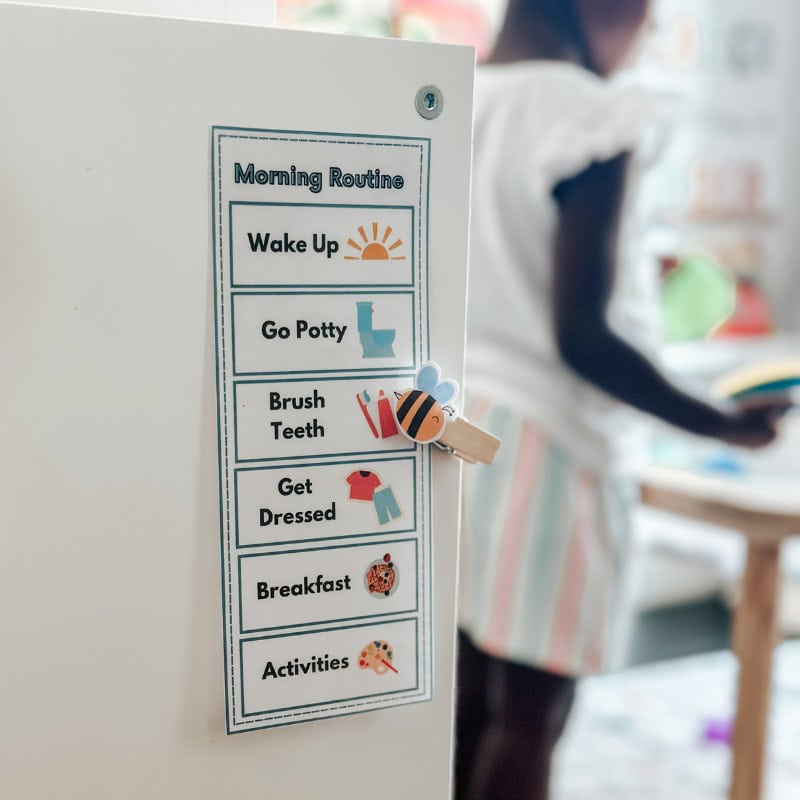
2. Create A Daily Routine
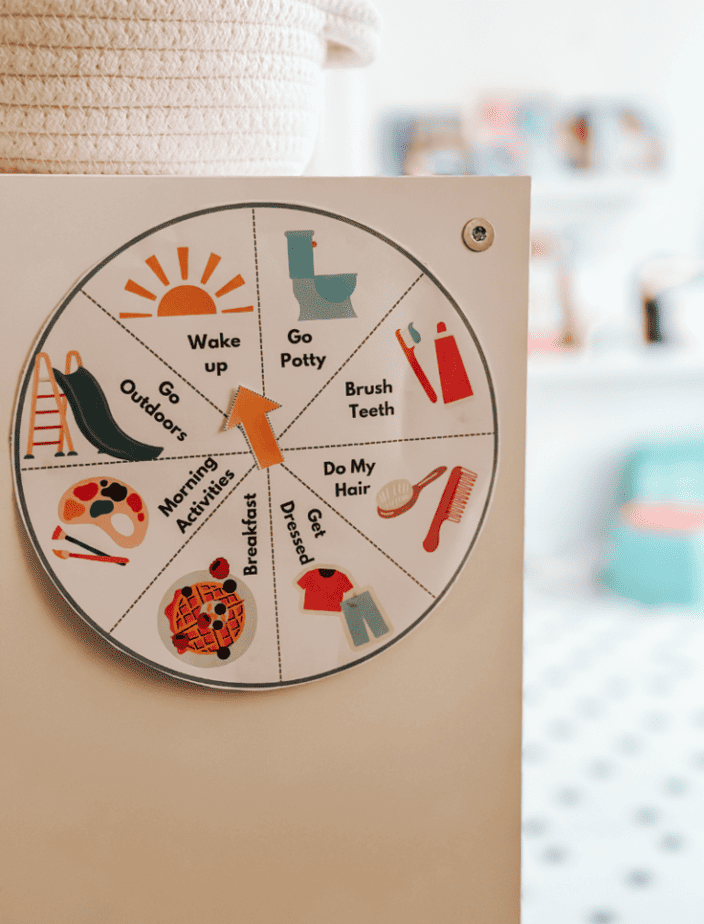
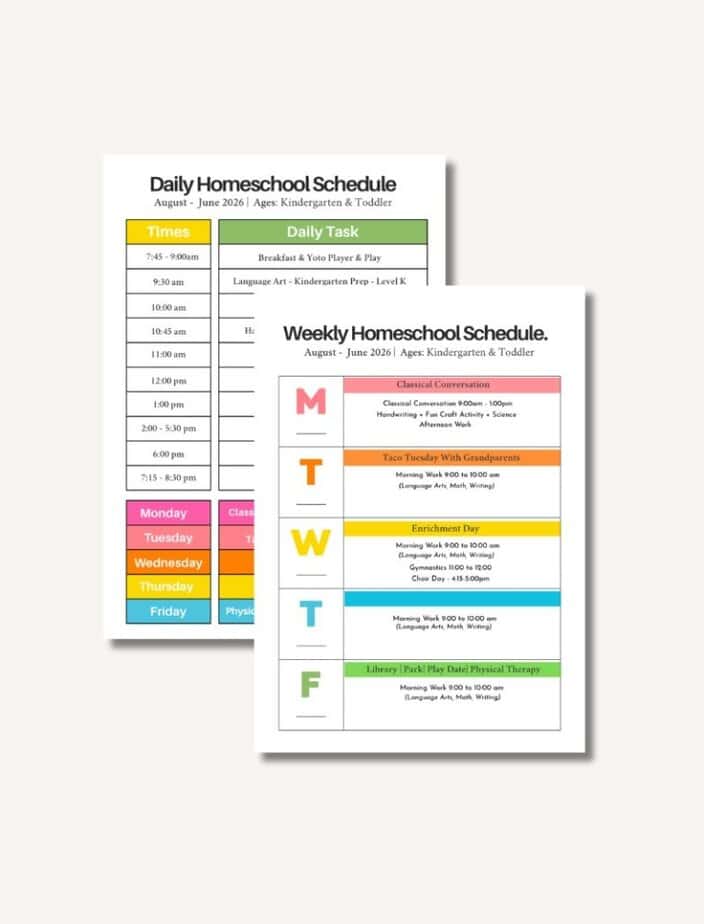
Children thrive on consistency and routine. A predictable structure builds confidence and helps them feel secure, while also preparing them for what comes next in their day.
Of course, I know that sticking to a strict routine every single day isn’t always realistic—and that’s perfectly okay. The goal isn’t to create a rigid schedule that leaves no room for flexibility. Instead, focus on having a simple base routine that gives your child a sense of rhythm and predictability. On days when life doesn’t go as planned and you stray from the routine, give yourself grace. What matters most is the overall consistency, not perfection.
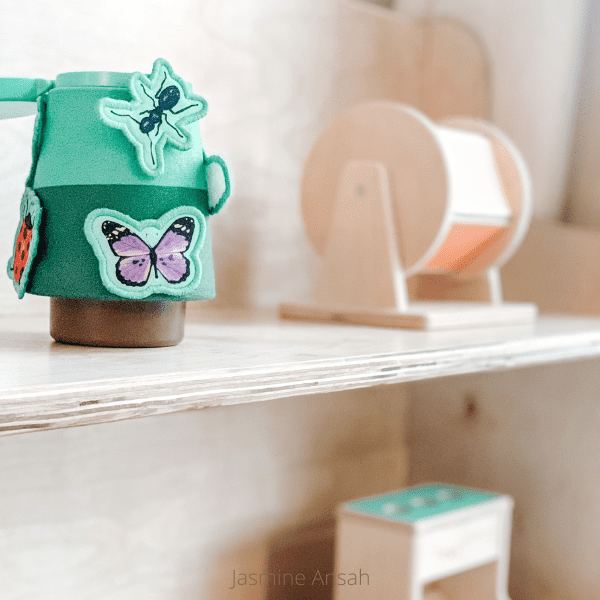
3. Introduce Toys That Promote Development
With so many toys on the market, it’s easy to feel overwhelmed by the choices. Many manufacturers label their products as “educational toys” for marketing purposes, but not all of them actually provide meaningful learning opportunities. That’s why it’s important to choose toys that are both age-appropriate and designed to support your toddler’s growth and development.
The best toys for toddlers are often the simplest ones—those that encourage creativity, problem-solving, and exploration. For example, building blocks or stacking cups help little ones practice fine motor skills while also introducing basic math and spatial awareness. Shape sorters and puzzles strengthen hand-eye coordination and critical thinking as toddlers figure out where each piece belongs.
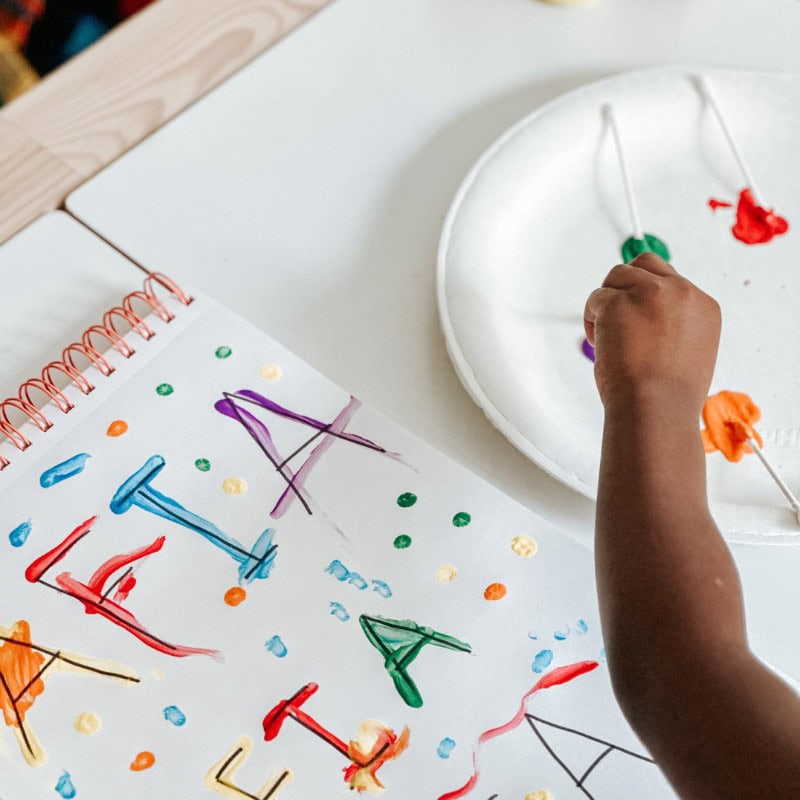
4. Make Learning a Part of Your Day-to-Day Routine
Learning for toddlers doesn’t happen in the traditional lecture-style way that we’re familiar with. In fact, young children learn best—and often retain more—when parents weave learning into everyday experiences. This approach is especially helpful when you’re trying to homeschool a toddler, since it allows learning to happen in simple, natural ways throughout the day.
For example, while driving in the car, you can play a game of I Spy, pointing out different types of vehicles or naming their colors. During grocery shopping, you might let your toddler help identify fruits and vegetables or count items as they go into the cart. Even simple routines like cooking dinner, sorting laundry, or setting the table can become opportunities to practice counting, colors, shapes, and new vocabulary.
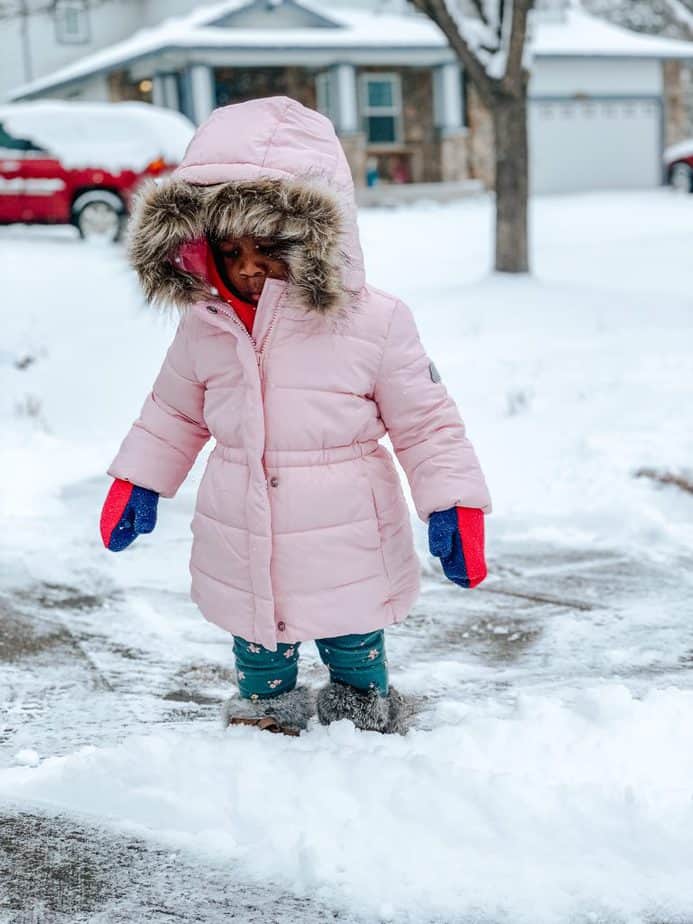
5. Get Outdoors
I know life looks a little different for all of us these days, and this can feel especially challenging for small children. Still, getting outdoors and exploring your neighborhood is one of the best things you can do for them, especially when you’re trying to homeschool a toddler and want to keep learning fresh and engaging.
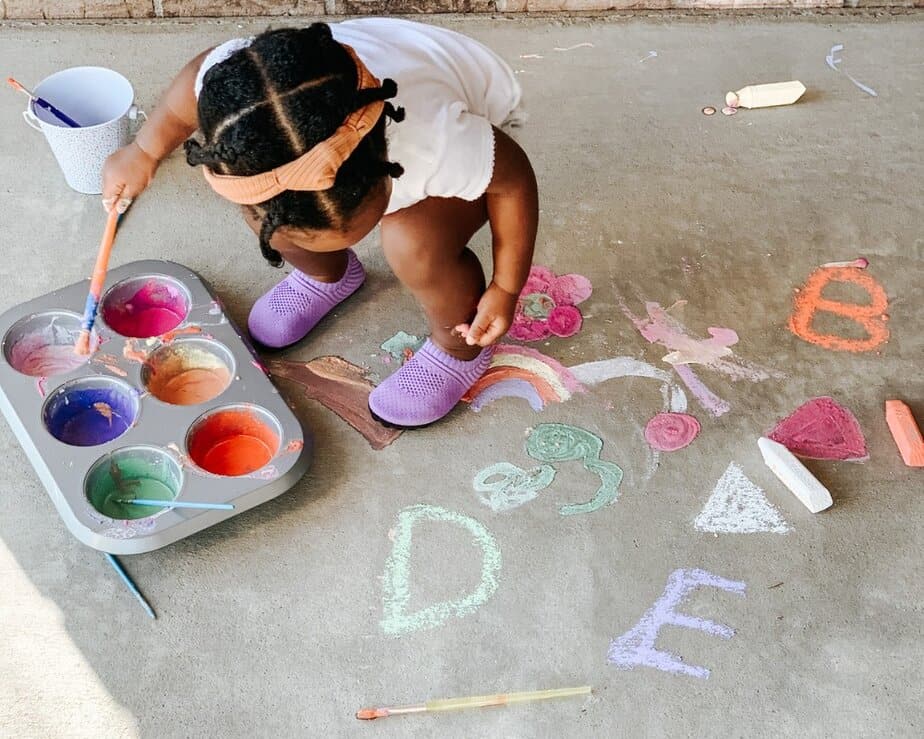
Simple activities like going to the park, taking a nature walk, or arranging a safe playdate provide not only fresh air and exercise but also meaningful learning opportunities. Children benefit from observing their environment, meeting new friends, and experiencing the world beyond their home. Whether it’s collecting leaves, watching birds, or running around with peers, outdoor time encourages curiosity, social skills, and healthy physical development.
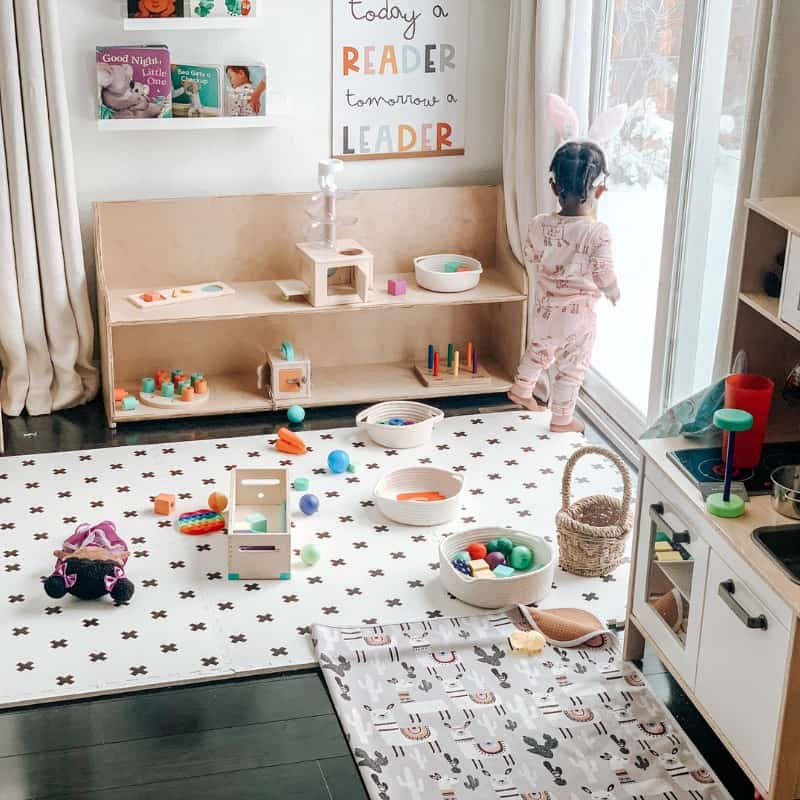
6. Set Up Play Area
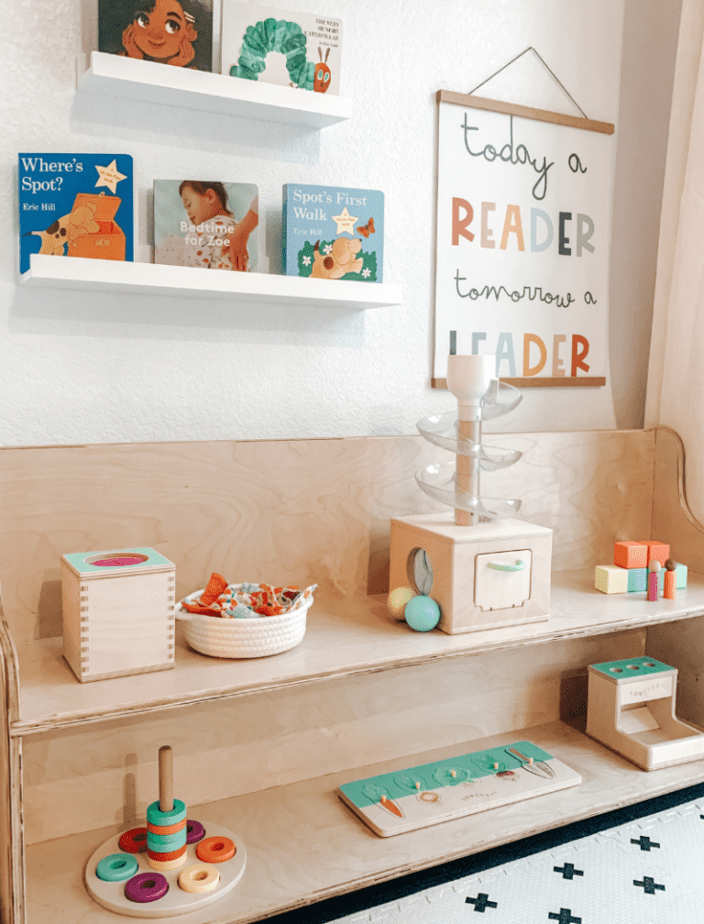
When I first started thinking about creating a play space for my daughter, I knew it needed to be a place where she could explore freely without constant restrictions. A well-designed play area gives toddlers the freedom to follow their curiosity while staying safe.
Toddlers are naturally inquisitive, and their curiosity often leads to meaningful learning moments. Having a designated space in your home—or even several small, safe spaces throughout the house—encourages them to explore, experiment, and discover new things. This kind of setup is especially helpful when you’re trying to homeschool a toddler, because it creates an environment where play and learning naturally go hand in hand.