Baby Led Weaning 101: Everything Parents Should Know Before Starting

Are you looking to start the baby-led weaning method with your little one? Are you wondering what to expect, or even how to get started? I share 8 practical tips with you on what to expect, and how to navigate any baby led weaning hurdles along the way.
Affiliate Disclaimer: This post might contain affiliate links, which means I receive a small commission if you purchase through my links, at no additional cost to you!
Baby Lead Weaning 101
Baby Led Weaning has skyrocketed in popularity over the past few years, becoming a preferred approach for many parents introducing their babies to solid foods. If you’re considering starting Baby Led Weaning with your little one, you’re not alone! In this post, I’ll share the key things I wish I had known before beginning this journey—so you can feel confident and prepared.
Related Post You May Love:
What Is Baby Led Weaning?
Baby Led Weaning is a feeding approach that introduces solid foods in a more independent way. Instead of starting with purees and spoon-feeding, this method encourages babies to self-feed using soft, age-appropriate finger foods. It’s designed to promote motor skills, independence, and a positive relationship with food from the very beginning.

Everything Parents Should Know Before Starting Baby Led Weaning
Let’s be honest—Baby Led Weaning isn’t the perfect fit for every baby, and that’s completely okay. I personally loved using this method with my daughter, but I also understand that every child is unique. What works for one family might not work for another, and that’s perfectly normal. At the end of the day, parenting is all about finding the approach that works best for your little one—so give yourself grace and trust your instincts.
1. Gagging Reflex
Let me start by saying—I was NOT prepared for the gagging reflex. Honestly, this was the toughest part of starting Baby Led Weaning. I remember sitting on my hands just to keep from intervening, reminding myself over and over that the constant gagging was completely normal.
When babies are introduced to solids through Baby Led Weaning, gagging is a natural and protective reflex—it’s their body’s way of preventing choking. Understanding this made it easier to stay calm and stick with the process, but I’ll be real—it was still challenging and overwhelming at times.
2. Messy Floors
I had no idea my floors would turn into the landing zone for every piece of food that didn’t make it into my daughter’s mouth! To my surprise, I was cleaning up multiple times a day. Honestly, I hadn’t thought this part through before starting Baby Led Weaning—and wow, was it an eye-opener!
Quick Tips to Make Cleanup Easier
- Use a splat mat or washable rug under the high chair to catch the mess.
- Opt for suction plates and bowls so food stays put.
- Keep wipes and a handheld vacuum nearby for fast cleanup after each meal.
- Dress your baby in easy-to-clean bibs or smocks to protect clothes.
A little preparation goes a long way in making Baby Led Weaning less stressful—and a lot less messy!
3. Food Rash
Rashes are quite common during a baby’s first year—and food-related rashes are no exception. With all the food exploration that comes with the Baby Led Weaning method, your little one may experience mild skin irritation or a slight rash after trying certain foods. In most cases, this is completely normal and nothing to worry about, but it’s definitely something to keep an eye on as you introduce new ingredients.
Quick Tips for Managing Food-Related Rashes
- Stick with safe skincare: Use gentle, fragrance-free moisturizers to soothe mild irritation.
- Track new foods: Introduce one new food at a time and keep a food diary to identify possible triggers.
- Watch for patterns: If a rash appears, note what your baby ate in the past 24 hours.
- Know when to call the pediatrician: Seek medical advice if the rash is accompanied by swelling, hives, vomiting, or breathing difficulties—these could indicate an allergic reaction.
4. Sensory Play
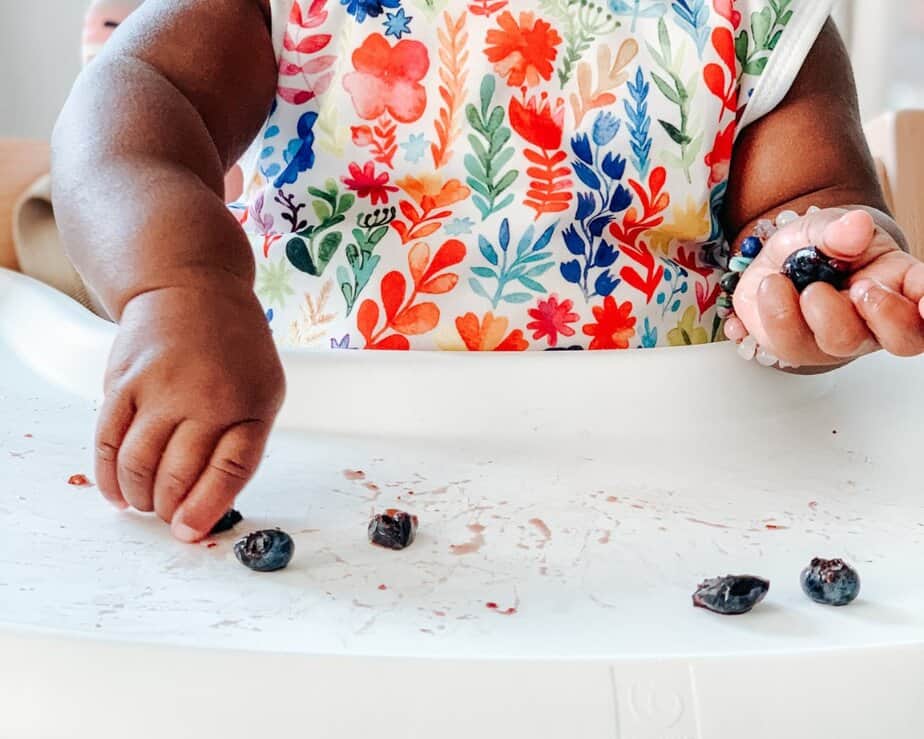
Sometimes, mealtimes feel more like sensory play sessions—and I definitely wasn’t prepared for that! I quickly learned to lower my expectations and accept that it’s a normal part of the Baby Led Weaning process. I’m all for sensory play—the benefits for development are endless—but be ready for your baby to explore more than they eat on some days. While they’ll usually consume a fair amount of food, there will be times when squishing, smearing, and even tossing food becomes the main event. And that’s okay—it’s all part of learning!
Why Sensory Play at Mealtime Matters
- Boosts fine motor skills: Handling different textures strengthens finger muscles for future skills like writing.
- Encourages curiosity: Exploring new colors, shapes, and textures makes food fun instead of intimidating.
- Supports brain development: Multi-sensory experiences stimulate cognitive growth and help babies learn about their world.
- Reduces picky eating: The more babies interact with food, the more likely they are to accept it later
5. Choking Hazard
I hesitated to include this one because choking is a common concern during a baby’s first year—but it’s especially important to address when practicing Baby Led Weaning. This approach requires parents to be extra mindful about how food is prepared and served. I’ll admit, this was one of my biggest fears, and I often second-guessed myself in the beginning. To build confidence, I took an online course with Feeding Littles, and it made a huge difference! It gave me the knowledge and tools I needed to safely prep and serve food to my daughter. No matter what, always supervise your baby during meals—safety should always come first.
Quick Tips for Safe Food Prep in Baby Led Weaning
- Learn infant CPR: It’s an extra layer of confidence and peace of mind.
- Cut food into finger-length strips: About the size of two adult fingers for easy grasping.
- Steam or roast veggies until soft: They should be soft enough to mash between your fingers.
- Avoid round, hard, or sticky foods: No whole grapes, nuts, popcorn, or spoonfuls of nut butter.
- Remove bones and seeds: Always double-check meat and fruit before serving.
6. Food All Over The Place
Food will end up everywhere—on the floor, smeared across your baby’s face, tangled in their hair, all over the high chair, and maybe even on the walls. And guess what? That’s completely normal! When babies feed themselves, mess is part of the learning process. Embrace it as a sign of progress—but do yourself a favor and keep plenty of wipes (and maybe a splat mat) within arm’s reach.
Cleanup Made Easier: Practical Tips
- Use a splat mat or old sheet under the high chair to catch falling food.
- Invest in a quality bib or smock to protect clothes and save laundry time.
- Keep a handheld vacuum or broom nearby for quick post-meal cleanups.
- Serve meals in easy-to-clean spaces—think kitchen instead of carpeted areas.
- Wipe down as you go to prevent dried-on messes that take twice as long to clean later.
Messy meals are temporary, but the confidence and independence your baby gains through Baby Led Weaning will last a lifetime!